 Fire safety is a battlefield, and the weapons are getting smarter. Forget the clunky, outdated fireproofing methods of the past. The new game-changer on the block? Low onset-temperature Expandable Graphite. This isn’t your grandfather’s intumescent coating. We are talking about a material that wakes up, stretches, and fights back at temperatures far lower than traditional additives. It’s the difference between a coating that waits for the inferno and one that smothers the spark.
Let’s cut through the technical noise. Standard expandable graphites often require a significant heat kick—north of 200 degrees Celsius—to start their expansion party. That’s a problem. By the time they react, the structural steel is already softening, the wooden beam is charring, and the plastic substrate is melting into a toxic puddle. Low onset-temperature expandable graphite changes that equation entirely. It activates at a dramatically reduced threshold, often between 150 and 180 degrees Celsius. Why does this matter? Because it buys you time. In a fire, time is the only currency that counts.
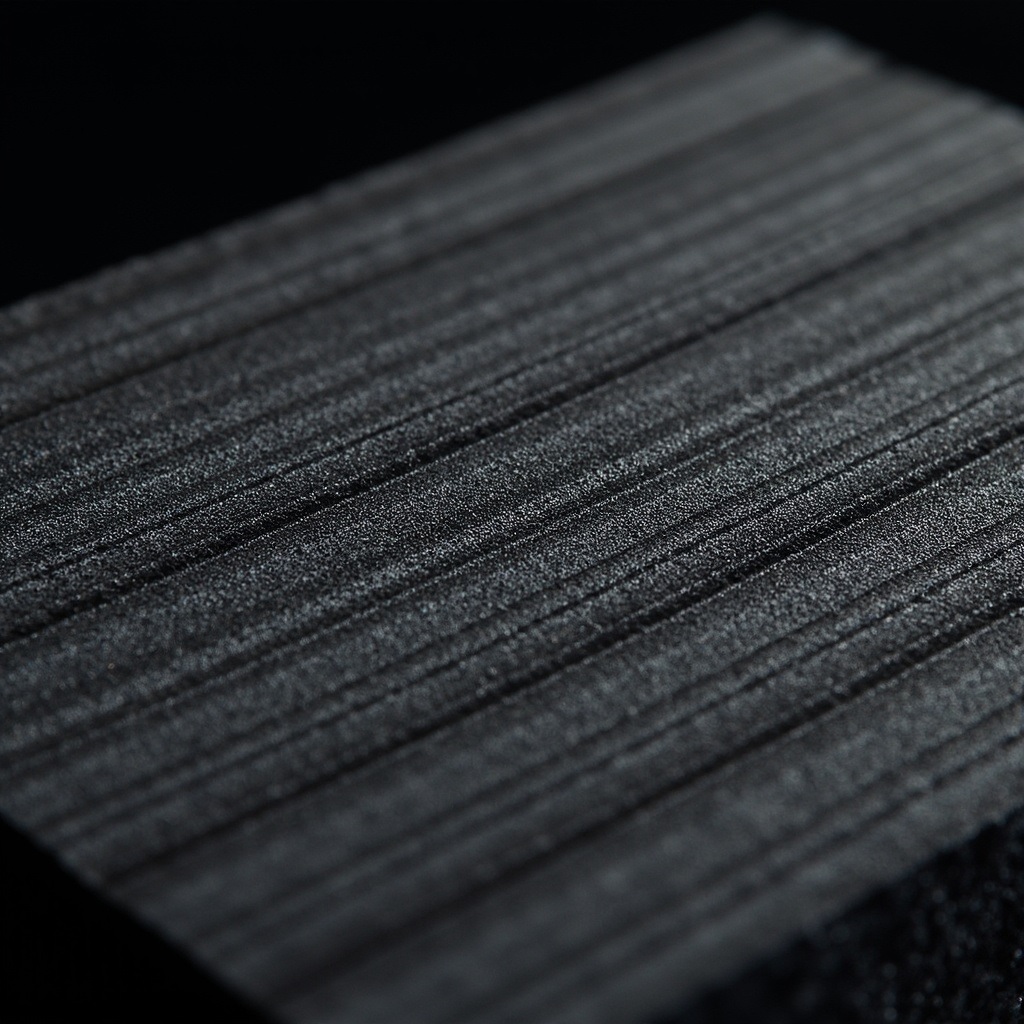
Think about the anatomy of a fire. It doesn’t explode into a full-blown blaze instantly. There is a critical window—the first few minutes—where a small flame can be contained. Traditional intumescent coatings, reliant on high-temperature triggers, are essentially asleep during this phase. The low onset graphite is the early riser. It sees the heat, and it reacts. The graphite flakes, treated with an intercalating agent, rapidly exfoliate. They puff up into a thick, worm-like char that acts as a thermal barrier. This isn’t just insulation; it’s a physical shield that stops oxygen from feeding the flame and prevents heat from penetrating the substrate.
So, where does this chemical marvel actually shine? Let’s talk applications. The most obvious is structural steel protection. In high-rise buildings, the integrity of the steel frame is everything. A coating that expands early can keep the steel cooler for longer, delaying the critical point of structural failure. But the real untapped potential is in plastics and composites. These materials are notoriously difficult to protect because they deform and drip at relatively low temperatures. A standard intumescent coating might be too little, too late. A low onset formulation, however, kicks in before the plastic starts to flow. It creates a rigid, insulating crust that holds the material together, preventing the dreaded “pool fire” that happens when molten plastic ignites.
For the coating formulator, this is a goldmine. You can now design thinner, more elegant coatings that don’t sacrifice performance. You can reduce the loading of other, more expensive fire retardants. The low onset graphite works synergistically with traditional binders and char formers, creating a more robust and cohesive intumescent layer. It’s not just about adding a new ingredient; it’s about optimizing the entire system. The result is a coating that is lighter, more aesthetic, and far more effective in the early stages of a fire event.
Don’t make the mistake of thinking all expandable graphites are the same. The onset temperature is the hidden spec that separates a good coating from a great one. When you specify a low onset material, you are engineering a proactive defense. You are telling the fire, “We saw you coming.” This is particularly critical in sectors like transportation—think battery enclosures for electric vehicles or interior panels for aircraft. In those confined spaces, a fire needs to be stopped in its tracks, not just contained. The rapid expansion of low onset graphite can fill gaps, seal off vents, and starve the fire of oxygen within seconds.
The bottom line is brutally simple. The market is moving toward higher performance with lower environmental impact. Low onset-temperature expandable graphite delivers on both fronts. It reduces the need for halogenated flame retardants. It allows for more efficient formulations. And most importantly, it provides a level of early-stage protection that was previously unattainable. If your intumescent coating isn’t using this technology, you are leaving a gap in your defense. And in the world of fire safety, gaps are unacceptable. Upgrade your chemistry. Wake up your coating. The fire won’t wait for you.